On this Northern Soundbite I continue a series with political observers Nate Bauer, director of the University of Alaska Press and Alexander Hirsch, political scientist at UAF. Though it seems decades ago, early April saw two crucial primaries amidst the COVID-19 pandemic.
Back in February, before travel restrictions and social distancing was set in place, Jeff Kitzes was in Fairbanks. Jeff is a psychotherapist from California and frequently leads Zen retreats in town through the Cold Mountain Zen Center. Jeff is also a certified Zen Master, whose Buddhist name is Bon Soeng. He heads up the Empty Gate Zen Center in Berkeley.
While he was in Fairbanks this last time he was invited to talk with University of Alaska Fairbanks students, faculty and staff at a new room called The Well, intended as a quiet and inviting spot where students and others can sooth and replenish their spirits through meditation or other contemplative practices.
Also, on the show: One of the rituals for some die-hard baseball fans it to head to Florida’s baseball camps to take in spring training. That option was called on account of COVID-19. Author and reviewer Frank Soos sympathizes and he’s in with some recommendations to ease the pain.
On this Tuesday’s Northern Soundings, Frank Soos reviews a number of books intended to sooth the savage breasts of die-hard baseball fans pining for their sport. Here is an excerpt from Frank’s fuller discussion.
Last week, another pilgrim to the bus near Healy where Chris McCandless died in 1992 had to be rescued. McCandless is figured in Jon Krakauer’s non-fiction book Into the Wild. In this Northern Soundbite, Fairbanks psychologist Steve Parker says while it’s important to have pilgrimage sites, many journeying to the bus probably don’t know the disturbing backstory captured in McCandless’ sister’s book, The Wild Truth.
In an ongoing Northern Soundbite series about the metaphor of war against COVID-19, I turned to retired University of Alaska Fairbanks linguist and practicing Quaker Charley Basham. She says as a professor she often used a book by George Lakoff and Mark Johnson called Metaphors We Live By.
With a majority of the U.S. workforce at home and on-line, it may seem ironic to report that COVID-19 has hit local journalism hard. For example, at the end of March the Anchorage Daily News announced it had cut salaried staff pay by 20% and trimmed back full-time hourly workers to a 32-hour week. That’s on top of the seven employees it laid off. The ADN is not alone.
To discuss the issue, I turned to retired Fairbanks Daily News columnist Dermot Cole who now files independently from his site “Reporting from Alaska,” at dermotmcole.com
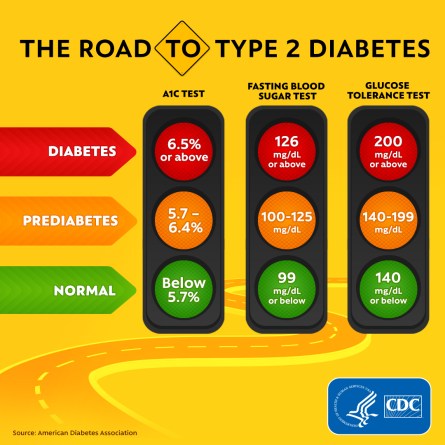
Even as we struggle to cope with COVID-19, America is increasingly falling prey to another disease: diabetes. In conjunction with a national broadcast on PBS “Blood Sugar Rising,” Northern Soundings hears from Interior Alaska’s only practicing endocrinologist, Dr. Muhammad Ahmed.
Also, some says the globe itself is suffering from a disease. On the eve of the 50th anniversary of Earth Day, we hear from two organizers of celebrations past and present: Richard Seifert and Dave Norton.
And Chris Lott is in with a Katexic Clippings that may change your mind.
The Trump administration has declared war against COVID-19. But how useful is that as a policy when your enemy doesn’t even know you exist? I turned to writer, reviewer and professor emeritus from the University of Alaska Fairbanks Frank Soos for a reflection.
Passover starts Wednesday. The eight-day holiday, which celebrates the ancient Israelites’ escape from bondage in Egypt, traditionally begins with a meal, called a Seder. Normally, the Seder brings together family, friends and even unexpected guests. But with COVID-19 things are not normal. Retired University of Alaska Fairbanks Anthropology professor and administrator Phyliss Morrow describes this year’s virtual solution.
Welcome to another installment of my series of shorter conversations called Northern Soundbites. We often think of first responders in terms of police, fire-fighters and healthcare providers. But often those facing serious illness look for spiritual solace and guidance. I asked Rev. Dr. Nancy James, chaplain at Fairbanks Memorial Hospital, how her work had changed in the pandemic.






 Northern Soundings